





Introduction: The Growing Importance of Future-Proof Careers
The healthcare and life sciences sectors are evolving at unprecedented speed. With technological advancements, demographic shifts, and global health challenges, the demand for skilled professionals has never been higher. Yet, building a career that remains relevant for decades requires more than a degree; it demands adaptability, strategic skill development, and awareness of industry trends.
Future-proof careers in healthcare and life sciences not only offer stability but also opportunities to contribute meaningfully to human well-being. For students, graduates, and mid-career professionals alike, understanding the sector’s trajectory is critical for sustainable success.
Healthcare and Life Sciences Industry: Trends & Opportunities
Healthcare and life sciences are among the fastest-growing employment sectors worldwide. According to the U.S. Bureau of Labor Statistics (2025), healthcare occupations are projected to grow significantly faster than the average for all professions. Similarly, the World Health Organization (2024) reports a global shortfall of 11 million health workers by 2030, highlighting immense career opportunities.
In India, the healthcare sector is expanding rapidly. Reports by the Times of India (2025) indicate that healthcare employment has grown by over 60% in recent years, driven by digital health, telemedicine, and biotechnology advancements. The pharmaceutical and biotech sectors are also expanding, creating new career pathways in research, clinical trials, regulatory affairs, and medical technology.
Key trends shaping opportunities include:
- Growth in digital health platforms and telemedicine
- Expansion of clinical research and contract research organizations (CROs)
- Increased investment in biotechnology, genomics, and precision medicine
- Rising demand for health informatics, AI, and data analytics professionals
High-Demand Roles and Career Paths
Understanding which roles are growing helps professionals align skills with opportunities. Some high-demand career paths include:
- Clinical Research Associates (CRAs) and Trial Coordinators: Oversee clinical trials, ensuring compliance with protocols and regulations.
- Pharmacovigilance and Drug Safety Professionals: Monitor post-marketing drug safety and adverse events.
- Regulatory Affairs Specialists: Ensure products meet legal and regulatory requirements.
- Medical and Scientific Writing: Communicate complex scientific information clearly to multiple stakeholders.
- Quality Assurance/Quality Control Analysts: Maintain product standards in labs and manufacturing.
- Data-Driven Roles (Bioinformatics, Health Analytics): Analyze patient, clinical, and genomic data for research and healthcare optimization.
These roles reflect industry demand for both technical and interdisciplinary skills, creating a roadmap for career planning.
Essential Skills for Healthcare and Life Sciences Professionals
Building a resilient career requires a combination of technical, digital, regulatory, and soft skills:
Technical Skills
- Laboratory and research techniques
- Clinical trial design and management
- Biostatistics and data analysis
Digital Skills
- Digital health platforms
- Health informatics
- AI and machine learning in clinical applications
Regulatory & Compliance Skills
- Understanding Good Laboratory Practice (GLP), Good Manufacturing Practice (GMP), and Good Clinical Practice (GCP)
- Knowledge of national and global regulatory frameworks
Soft Skills
- Scientific communication and medical writing
- Critical thinking and problem solving
- Teamwork, adaptability, and project management
The OECD (2025) emphasizes that integrating digital and AI skills with traditional healthcare knowledge is essential to future-proof careers.
The Impact of Technology, AI, and Digital Health
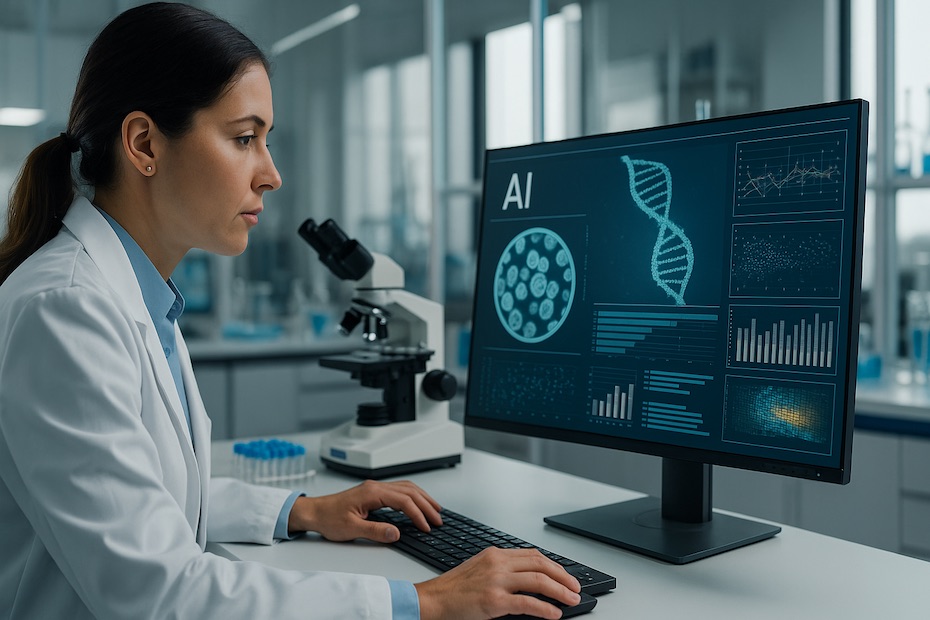
Technology is redefining healthcare roles. Artificial intelligence, machine learning, telemedicine, and wearable devices are transforming patient care, diagnostics, and research.
- AI in Diagnostics: Algorithms support faster, more accurate detection of diseases.
- Digital Health Tools: Remote monitoring and telehealth expand access to care.
- Genomics & Precision Medicine: Advanced genetic analysis requires new data-focused expertise.
Professionals who embrace technology gain a competitive advantage. According to Deloitte (2024), digital transformation in biopharma is creating demand for hybrid professionals.
Lifelong Learning and Continuous Upskilling
Future-proofing a career means adapting to change through continuous learning. Industry reports suggest that careers in healthcare and life sciences will increasingly reward professionals who:
- Pursue advanced certifications (GCP, regulatory affairs, clinical research)
- Enroll in short-term, skill-focused programs
- Stay updated on emerging tools and technologies
The National Education Policy (NEP 2020) emphasizes experiential learning and industry engagement as key components of employability, underscoring the need for practical experience alongside academic qualifications.
Strategies to Build a Resilient Career
Practical steps for building a sustainable healthcare or life sciences career include:
- Identify High-Demand Roles: Focus on sectors with growing employment opportunities.
- Upskill Strategically: Pursue certifications, digital skills, and interdisciplinary training.
- Gain Practical Exposure: Internships, volunteer programs, and short-term projects enhance employability.
- Build a Professional Network: Attend conferences, webinars, and professional groups.
- Stay Informed on Industry Trends: Follow journals, government reports, and sector news.
- Adopt Flexibility and Adaptability: Be open to cross-functional roles and emerging domains.
According to ManpowerGroup (2025), individuals who proactively upskill and network are more likely to secure stable and rewarding positions in the life sciences sector.
Navigating Recruitment and Industry Expectations
Healthcare and life sciences recruitment often prioritizes job-ready skills, practical experience, and adaptability. Employers value candidates who:
- Understand workflows and regulatory standards
- Can document, analyze, and communicate scientific information
- Possess problem-solving and critical-thinking skills
Structured trainee programs, apprenticeships, and mentorship opportunities are emerging as pathways to overcome traditional barriers for fresh graduates.
Global vs. India-Specific Opportunities
Globally, healthcare employment is expanding rapidly. Countries like the U.S., U.K., and Australia are facing critical workforce shortages, creating opportunities for trained professionals.
In India, rapid sector growth in healthcare, pharmaceuticals, and biotech presents multiple career pathways. Reports by Aspire Life Sciences (2024) indicate that digital health, AI in healthcare, genomics, and precision medicine are key growth areas. The challenge lies in aligning local educational outputs with emerging sector needs.
Conclusion: Preparing for a Sustainable Career
Building a future-proof career in healthcare and life sciences requires a strategic combination of education, skills, experience, and adaptability.
Professionals must:
- Identify high-demand career paths
- Upskill continuously, focusing on digital, technical, and regulatory competencies
- Gain practical experience and build professional networks
- Stay informed on technology and industry trends
Institutions and policymakers also play a critical role in bridging the skills gap and ensuring graduates are equipped for the rapidly evolving healthcare ecosystem. By proactively preparing for change, professionals can secure resilient, rewarding, and future-proof careers that contribute meaningfully to healthcare and scientific progress.
References
- U.S. Bureau of Labor Statistics. (2025). Healthcare Occupations — Occupational Outlook Handbook. https://www.bls.gov/ooh/healthcare/
- World Health Organization. (2024). Health workforce.
https://www.who.int/health-topics/health-workforce - ManpowerGroup. (2025). Healthcare & Life Sciences 2026 World of Work Outlook. https://www.manpowergroup.co.in/MPG-WIL-2026-Healthcare-Life-Sciences-Vertical-Report.pdf
- Organisation for Economic Co‑operation and Development (OECD). (2025). Digital and AI skills in health occupations. https://www.oecd.org/content/dam/oecd/en/publications/reports/2025/05/digital-and-ai-skills-in-health-occupations_f428e5a9/5fbd42ab-en.pdf
- Deloitte Insights. (2024). Pharma’s supply chain workforce : Digital future. https://www.deloitte.com/us/en/insights/industry/health-care/biopharma-supply-chain-workforce-digital-future.html
- Altarum Institute. (2024). Health care employment growth projection. https://altarum.org/news-and-insights/health-care-employment-growth-projected-moderate-remain-higher-other-industries
- Times of India. (2025). India’s healthcare sector sees 62% growth—top courses. https://timesofindia.indiatimes.com/education/news/indias-healthcare-sector-sees-62-growth-in-march-5-courses-to-kickstart-your-career-in-healthtech/articleshow/120121563.cms
- Aspire Life Sciences. (2024). Life sciences market trends and the impact on recruitment in 2025. https://aspirelifesciences.com/aspire-insights/life-sciences-market-trends-and-the-impact-on-recruitment-in-2025/